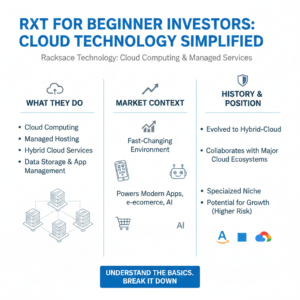

When discussing cloud infrastructure investments, RXT Rackspace Technology stock often enters the conversation. Listed on NASDAQ under the ticker RXT, Rackspace Technology operates as a global multicloud solutions provider. Investors frequently evaluate this stock due to its involvement in cloud computing, cybersecurity, and enterprise IT transformation.
In recent years, the cloud market has expanded rapidly. Organisations are moving away from traditional infrastructure and towards hybrid and multicloud systems. Consequently, RXT Rackspace Technology stock has attracted attention from growth-oriented investors who believe cloud demand will continue rising.
But is the excitement justified? Or is the stock facing structural challenges?
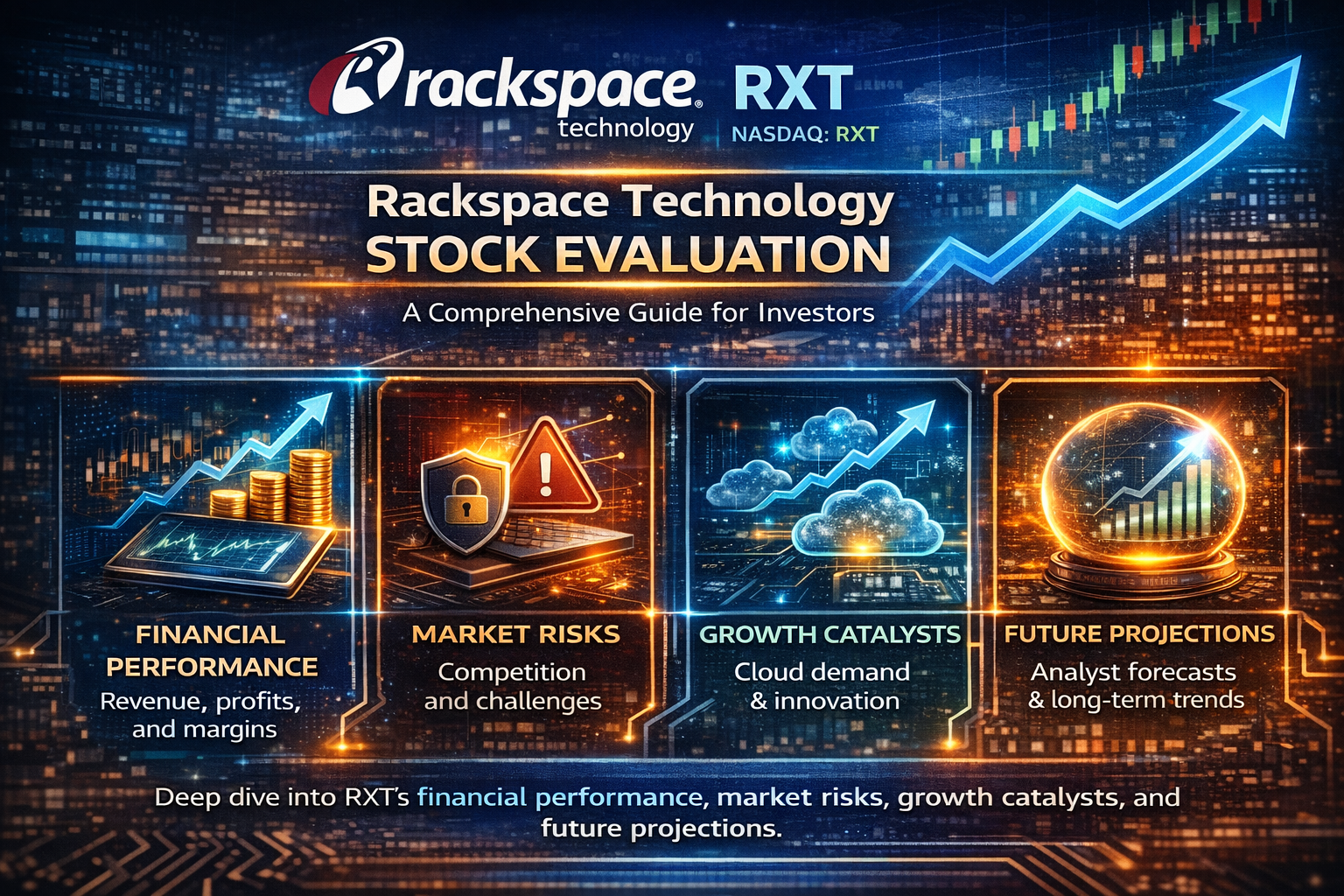
This comprehensive guide explores financial performance, market risks, growth catalysts, and future projections for RXT Rackspace Technology stock. If you’re an investor seeking balanced insights grounded in experience and data, you’re in the right place.
Company Background of Rackspace Technology
Founded in 1998, Rackspace initially specialised in web hosting. Over time, it evolved into a managed cloud services provider serving enterprises worldwide.
From Hosting Pioneer to Cloud Specialist
Rackspace was once known for its “Fanatical Support” hosting services. However, the cloud revolution forced a strategic shift. Rather than competing directly with hyperscalers, the company positioned itself as a multicloud integrator.
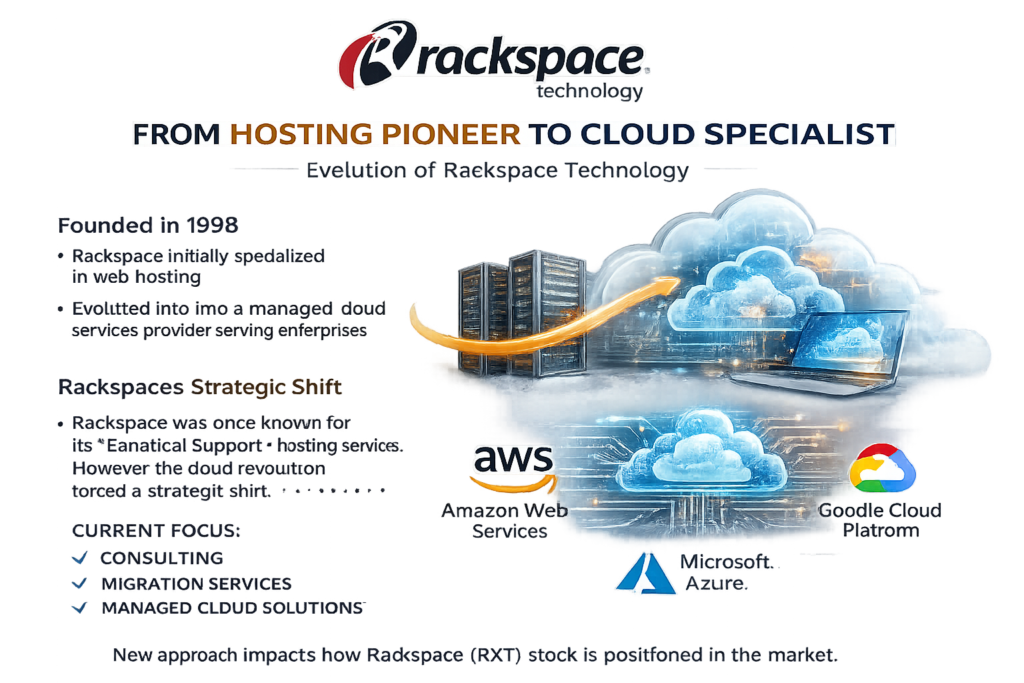
Today, Rackspace works with platforms such as:
- Amazon Web Services (AWS)
- Microsoft Azure
- Google Cloud Platform
Its strategy focuses on consulting, migration, and managed services rather than infrastructure ownership. This repositioning significantly influences how RXT Rackspace Technology stock behaves in the market.
Business Model and Revenue Streams
Understanding the business model is crucial before evaluating RXT Rackspace Technology stock.
Managed Cloud Services
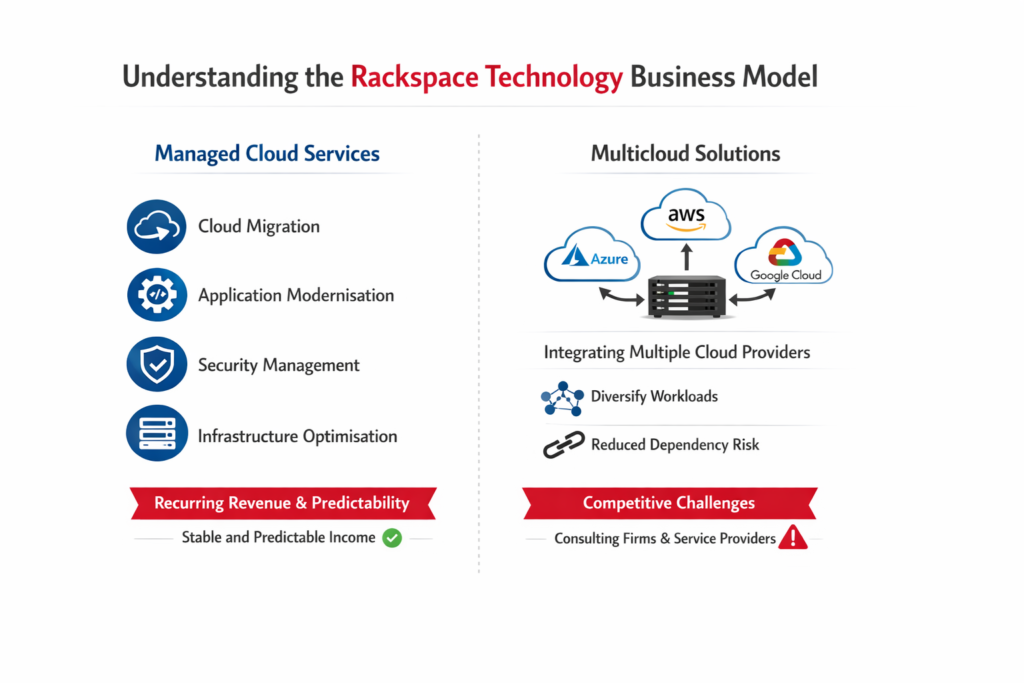
Rackspace earns revenue by managing cloud environments for clients. These services include:
- Cloud migration
- Application modernisation
- Security management
- Infrastructure optimisation
Revenue here tends to be recurring, which investors generally like. Recurring revenue creates predictability—something markets value highly.
Multicloud Solutions
Unlike hyperscalers, Rackspace doesn’t compete in building massive data centres. Instead, it integrates multiple cloud providers. This “multicloud neutrality” allows enterprises to diversify workloads.
This strategy reduces dependency risk but increases competitive pressure from consulting firms and managed service providers.
Financial Performance Overview
Investors analysing RXT Rackspace Technology stock must look at financial fundamentals.
Revenue Trends
In recent fiscal years, Rackspace reported stable yet modest revenue growth. However, margins have faced pressure due to operational costs and restructuring efforts.
Key financial observations:
- Revenue growth: Moderate
- Operating margin: Thin
- Debt levels: Elevated
High debt is one of the primary investor concerns affecting RXT Rackspace Technology stock valuation.
Profitability & Margins
Despite consistent revenue streams, profitability has fluctuated. Factors influencing this include:
- Cloud migration costs
- Competition-driven pricing pressure
- Interest expenses due to debt
Investors should examine quarterly earnings reports carefully. For official financial filings, refer to the company’s investor relations page: https://ir.rackspace.com
Stock Performance History
RXT Rackspace Technology stock has experienced volatility since returning to public markets.
After its IPO, enthusiasm was strong. However, market corrections and rising interest rates affected tech stocks broadly.
Volatility and Market Sentiment
Technology stocks often react sharply to macroeconomic changes. Rising rates typically compress valuations, especially for companies with higher debt.
Market sentiment toward RXT Rackspace Technology stock has shifted between optimism about cloud growth and caution regarding financial leverage.
Competitive Landscape
Rackspace operates in a highly competitive sector.
Major competitors include:
- Global consulting firms
- Managed service providers
- Cloud-native specialists
Hyperscalers themselves also expand managed services capabilities, intensifying competition.
However, Rackspace’s experience and established enterprise relationships offer some resilience.
Growth Opportunities in 2026
Cloud adoption continues accelerating across Europe and globally. This trend presents potential upside for RXT Rackspace Technology stock.
Growth drivers include:
- Artificial intelligence integration
- Cybersecurity demand
- Hybrid cloud architecture
- Digital transformation initiatives
Additionally, AI workloads require complex infrastructure management. Rackspace’s advisory role could expand as organisations adopt advanced AI tools.
Risks and Challenges
No investment is risk-free.
Key risks for RXT Rackspace Technology stock:
- High debt burden
- Intense industry competition
- Margin compression
- Macroeconomic slowdown
Debt refinancing costs in high-rate environments can reduce earnings flexibility.
Dividend Policy and Shareholder Value
Currently, Rackspace does not prioritise dividend payments. Instead, it focuses on operational stability and debt management.
Therefore, RXT Rackspace Technology stock is more suitable for growth-focused investors rather than income seekers.
Analyst Ratings and Forecasts
Market analysts present mixed views.
Some see restructuring efforts improving margins. Others remain cautious due to leverage.
Investors should compare:
- Price-to-sales ratio
- Enterprise value-to-EBITDA
- Debt-to-equity ratio
Balanced evaluation prevents emotional decision-making.
Is RXT Rackspace Technology Stock Undervalued?
Valuation debates surround RXT Rackspace Technology stock.
If revenue stabilises and debt reduces, the stock could re-rate positively. However, sustained margin pressure may limit upside.
Investors should assess:
- Free cash flow trends
- Debt reduction progress
- Client retention rates
Investment Strategies for UK Investors
UK investors considering US-listed shares must evaluate currency exposure.
Practical steps:
- Diversify across tech holdings
- Avoid overexposure to leveraged firms
- Monitor quarterly earnings
Long-term investors may consider phased entry strategies rather than lump-sum investment.
FAQs About RXT Rackspace Technology Stock
1. What does Rackspace Technology specialise in?
Rackspace provides managed multicloud services, consulting, and IT transformation solutions.
2. Is RXT Rackspace Technology stock a growth stock?
It has growth potential but carries higher risk due to debt.
3. Does Rackspace pay dividends?
Currently, it focuses on operational improvements rather than dividend payouts.
4. Why is the stock volatile?
Debt levels, market conditions, and competitive pressures influence price swings.
5. Is RXT suitable for beginners?
It may suit investors comfortable with moderate-to-high risk exposure.
6. How can I analyse the stock properly?
Review financial reports, monitor earnings calls, and assess industry trends.
Conclusion: Should You Buy RXT in 2026?
RXT Rackspace Technology stock represents a complex investment opportunity. On one hand, the cloud services market continues expanding. On the other, financial leverage creates measurable risk.
For optimistic yet cautious investors, the stock could offer turnaround potential. However, disciplined portfolio management remains essential.
If Rackspace strengthens margins and reduces debt, investor confidence may rise. Until then, careful evaluation is key.