The latest technology trends 2026 are reshaping industries at lightning speed. From artificial intelligence to biotechnology, innovation isn’t slowing down — it’s accelerating. Businesses, governments, and individuals must adapt to stay competitive in this fast-moving digital age.
Technology today isn’t just about convenience. It’s about survival, sustainability, and strategic growth. In fact, experts predict that companies embracing digital transformation early will dominate their markets within the next five years.
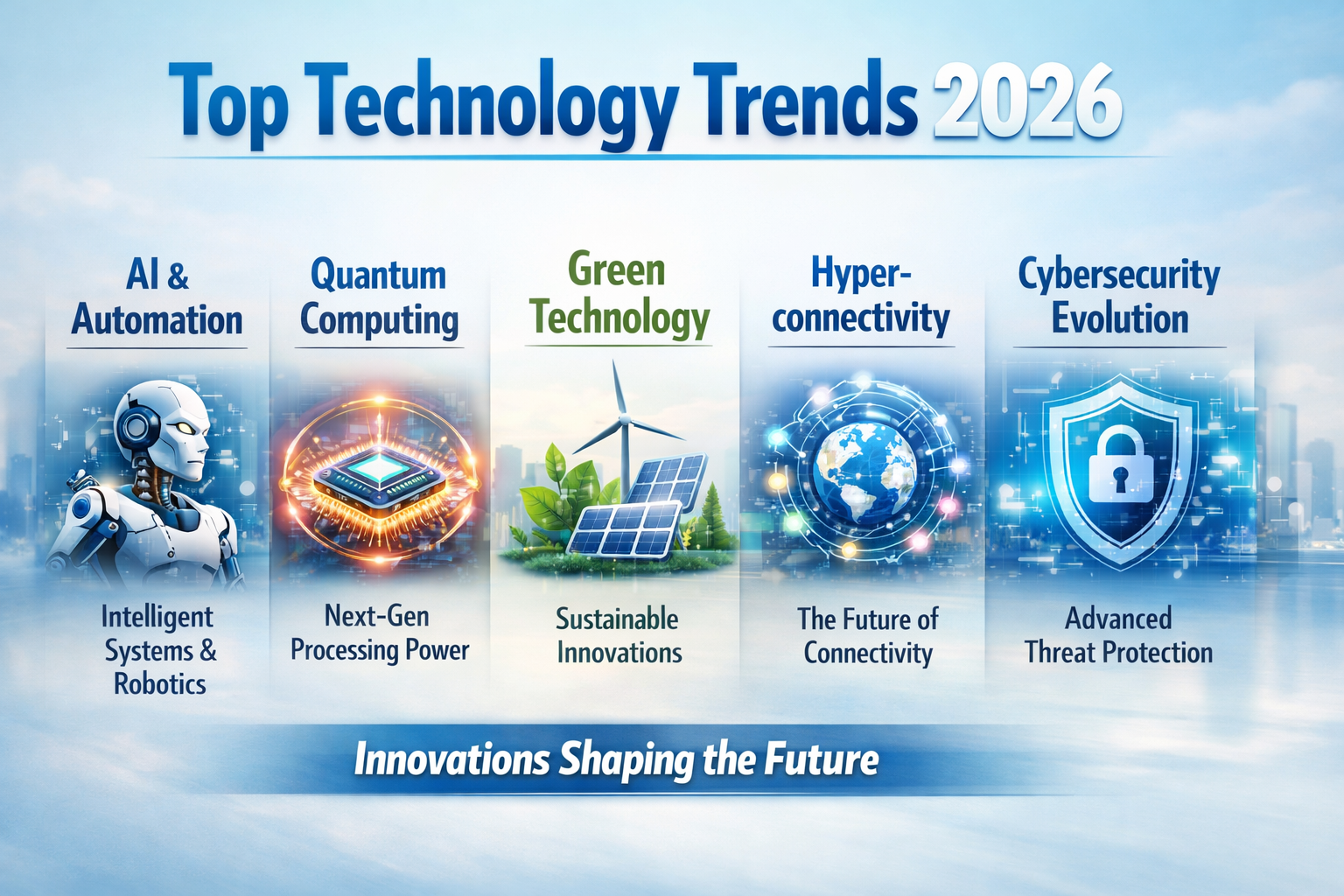
So, what exactly defines the latest technology trends 2026? It’s a powerful mix of AI-driven automation, quantum breakthroughs, green innovation, hyperconnectivity, and cybersecurity evolution. Let’s explore these game-changing developments in depth.
Artificial Intelligence 2.0: Smarter, Faster, Safer
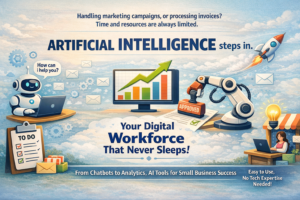
Artificial Intelligence remains the backbone of the latest technology trends 2026. However, AI has evolved beyond chatbots and recommendation systems. It’s now autonomous, adaptive, and deeply integrated into business processes.
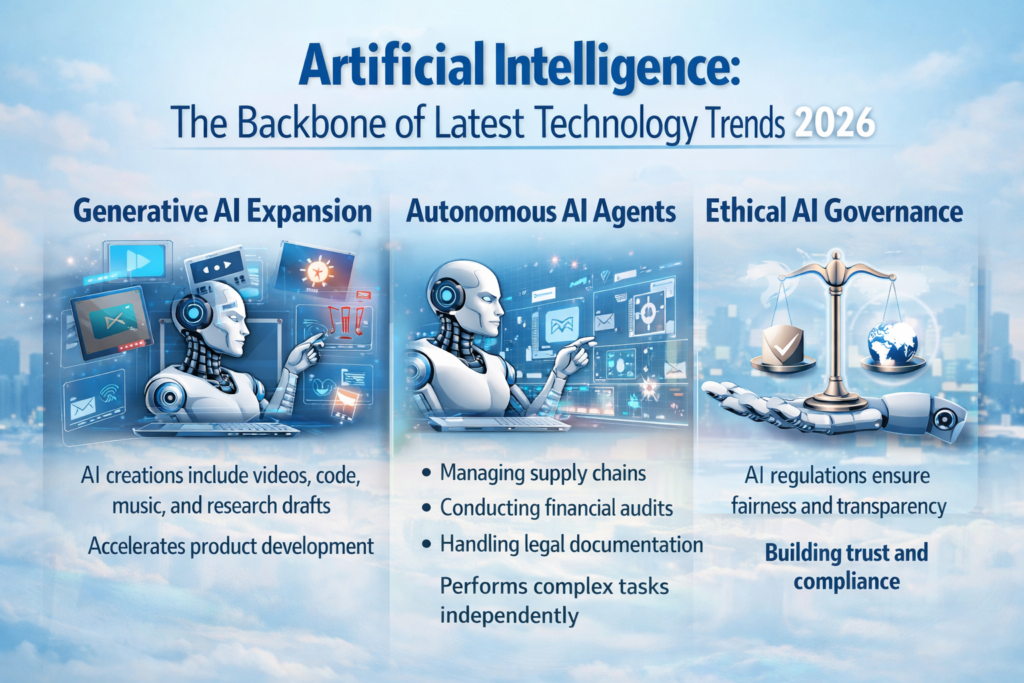
Generative AI Expansion
Generative AI tools are now creating videos, code, music, and even scientific research drafts. Businesses use AI to automate customer service, marketing campaigns, and data analysis. What’s more, AI-generated design systems are reducing product development time dramatically.
Autonomous AI Agents
Unlike earlier models, autonomous AI agents can perform multi-step tasks independently. For example:
- Managing supply chains
- Conducting financial audits
- Handling legal documentation
These systems learn continuously, improving accuracy over time.
Ethical AI Governance
With power comes responsibility. Governments worldwide are introducing AI regulations to ensure fairness and transparency. Organizations now invest heavily in AI ethics teams to maintain compliance and trust.
Quantum Computing Breakthroughs
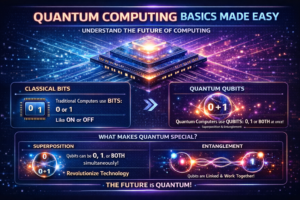
Quantum computing is no longer theoretical. In 2026, practical applications are emerging in pharmaceuticals, climate modeling, and cryptography.
Real-World Quantum Applications
Quantum computers can process complex calculations exponentially faster than classical systems. Industries using quantum include:
- Drug discovery
- Financial modeling
- Advanced material science
Quantum Security
While quantum computing brings opportunity, it also threatens traditional encryption. As a result, post-quantum cryptography is becoming essential for global cybersecurity.
For deeper research on emerging technologies, refer to the World Economic Forum Technology Reports:
👉 https://www.weforum.org/reports
6G and Hyperconnectivity
The transition from 5G to 6G marks a monumental leap in speed and connectivity. Experts estimate speeds 100 times faster than current networks.
Ultra-Low Latency Networks
6G enables:
- Real-time remote surgeries
- Autonomous vehicle communication
- Instant cloud gaming
Smart Cities Integration
Cities are becoming fully connected ecosystems. Traffic lights, hospitals, and emergency systems communicate seamlessly. This improves efficiency and reduces environmental impact.
Green Technology Revolution
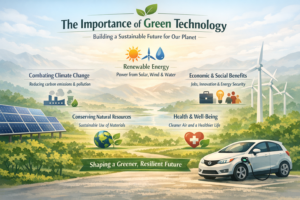
Sustainability is central to the latest technology trends 2026. Climate concerns are driving innovation across industries.
Renewable Energy Storage
New battery technologies store solar and wind energy efficiently. Solid-state batteries are safer and longer-lasting.
Carbon Capture Innovation
Companies are deploying direct air capture systems to remove carbon dioxide from the atmosphere. This technology supports global climate goals.
Green tech investments are expected to surpass trillions of dollars by 2030.
Biotechnology and Human Enhancement
Biotechnology is advancing rapidly. Personalized medicine and gene editing are becoming mainstream.
Gene Editing Advances
CRISPR-based technologies allow scientists to modify genes with precision. This could eliminate hereditary diseases in future generations.
Personalized Medicine
Doctors now tailor treatments based on genetic data. As a result, therapies are more effective and have fewer side effects.
Robotics and Automation 2.0
Robots are everywhere — factories, hospitals, warehouses, and even homes.
Industrial Robotics
Smart factories use collaborative robots (cobots) that work alongside humans safely.
Service Robots
Service robots assist in elderly care, hospitality, and retail. They improve efficiency and reduce labor shortages.
Automation isn’t replacing jobs entirely. Instead, it’s transforming roles and creating new opportunities.
Cybersecurity Evolution
As technology grows, cyber threats increase. Therefore, cybersecurity innovation is critical.
AI-Powered Threat Detection
AI systems monitor networks 24/7. They detect unusual activity instantly and respond automatically.
Zero Trust Architecture
Organizations adopt Zero Trust models, meaning no device or user is trusted by default. Verification happens continuously.
Cyber resilience is becoming a top priority for businesses worldwide.
Extended Reality (XR) and the Metaverse
Extended Reality combines Virtual Reality (VR), Augmented Reality (AR), and Mixed Reality (MR).
Immersive Education
Students can explore historical events or conduct virtual science experiments in immersive environments.
Virtual Workspaces
Companies host meetings in digital offices. Remote collaboration feels more natural and interactive.
Blockchain Beyond Cryptocurrency
Blockchain technology is evolving beyond digital coins.
Decentralized Finance (DeFi)
DeFi platforms allow peer-to-peer financial transactions without banks.
Smart Contracts in Business
Smart contracts automate agreements securely and transparently.
Blockchain improves transparency, trust, and efficiency.
Future of Work and Digital Economy
The digital economy is expanding rapidly. Remote work, digital nomadism, and AI collaboration are normal in 2026.
Key shifts include:
- Skill-based hiring
- AI-human collaboration
- Digital entrepreneurship growth
Upskilling and continuous learning are now essential.
Frequently Asked Questions (FAQs)
1. What are the most important latest technology trends 2026?
Artificial intelligence, quantum computing, 6G connectivity, green technology, biotechnology, and cybersecurity are leading innovations.
2. How will AI change jobs in 2026?
AI will automate repetitive tasks but create new roles in data analysis, AI supervision, and digital strategy.
3. Is quantum computing available commercially?
Limited commercial access exists through cloud platforms, but widespread adoption is still developing.
4. Why is green technology important?
It helps reduce carbon emissions and supports global sustainability goals.
5. What industries benefit most from latest technology trends 2026?
Healthcare, finance, manufacturing, transportation, and education see major benefits.
6. How can businesses prepare for future technology?
By investing in digital transformation, employee training, cybersecurity, and innovation partnerships.
Conclusion
The latest technology trends 2026 highlight a future powered by intelligence, sustainability, and hyperconnectivity. While challenges exist, the opportunities are enormous.
Organizations that adapt quickly will thrive. Individuals who learn continuously will stay relevant. Technology in 2026 isn’t just evolving — it’s revolutionizing how we live and work.
The future looks bright, bold, and incredibly exciting.
Post-Article Message:
If you found this article valuable, consider sharing it with your network and subscribing for more in-depth insights on emerging technologies and digital transformation.