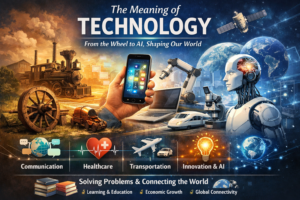

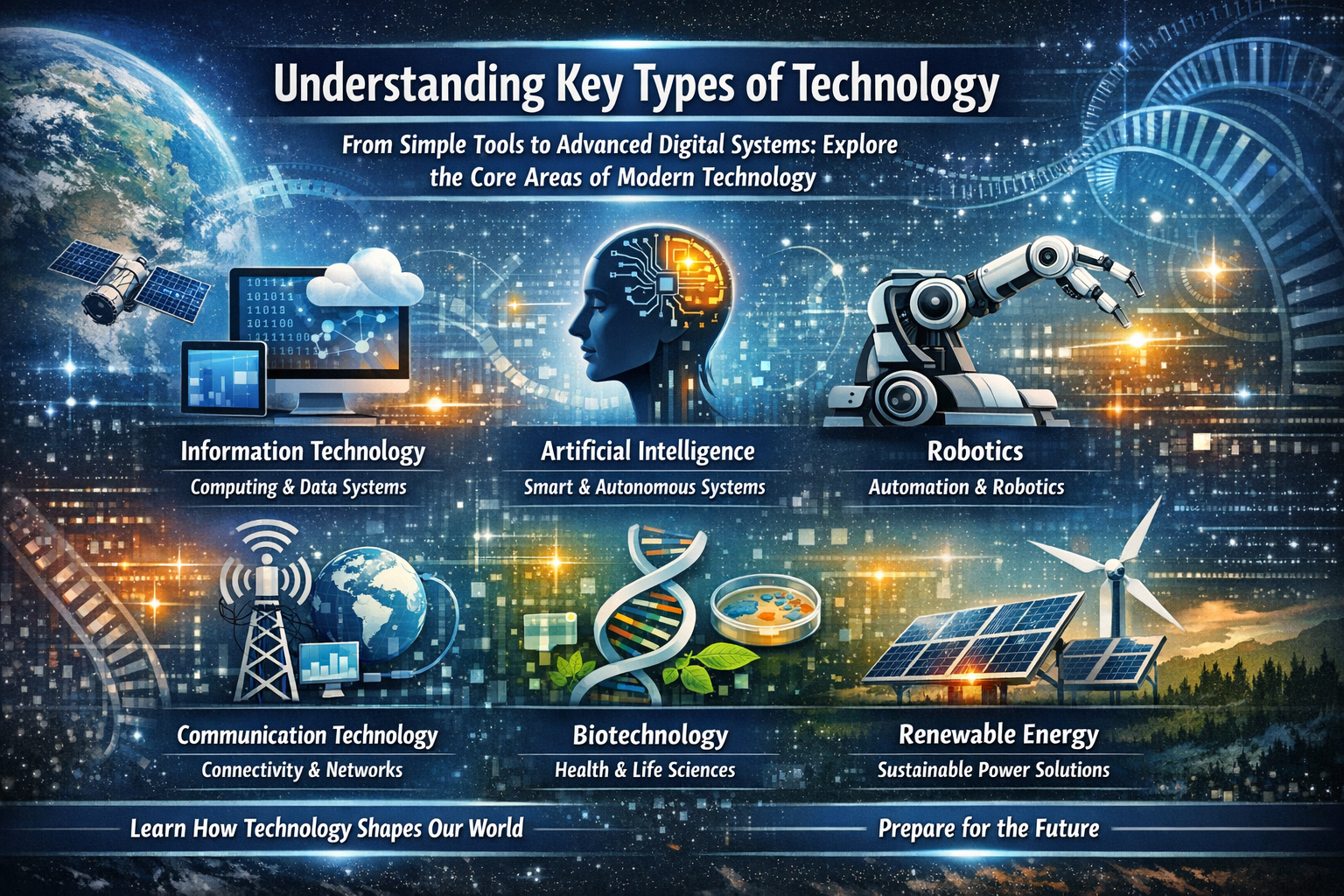
Technology is everywhere. From the phone in your pocket to the satellites orbiting Earth, modern life depends on innovation. When we talk about types of technology, we’re describing the different ways humans create tools, systems, and machines to solve problems and improve daily living.
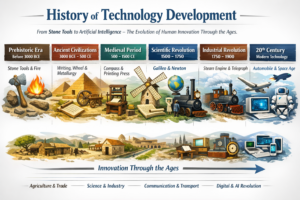
Over time, technology has moved from simple tools to intelligent digital systems. Today’s world runs on data, automation, connectivity, and scientific discovery. Because of this rapid growth, understanding the major categories of technology helps people stay informed, competitive, and ready for the future.
This guide explains the most important technology fields in clear language. You’ll learn how each type works, where it’s used, and why it matters.
Why Understanding Technology Matters Today
Knowing the main types of technology isn’t just for engineers. It benefits students, business owners, workers, and everyday users.
Technology shapes:
- Jobs and careers
- Education and learning
- Healthcare and medicine
- Communication and relationships
- Economic growth worldwide
As innovation speeds up, digital skills become essential. People who understand technology adapt faster, make smarter decisions, and find new opportunities.
Simply put, technology literacy equals future readiness.
Information Technology
Information Technology, often called IT, is the backbone of the digital world. It includes computers, software, databases, and networks that store and process information.
Businesses rely on IT for:
- Managing data
- Running applications
- Communicating globally
- Securing sensitive information
Without IT systems, modern banking, shopping, and online services wouldn’t exist.
Software, Hardware, and Networks
IT has three main parts:
Hardware – physical devices like computers and servers
Software – programs and applications that perform tasks
Networks – connections that allow devices to share data
Together, they create the digital infrastructure of society.
Communication Technology
Communication technology enables people to share information instantly across the world. From telephones to social media, it has transformed human interaction.
Key examples include:
- Smartphones
- Video conferencing
- Messaging apps
- Email systems
These tools make global collaboration easy and affordable.
Internet, Mobile, and Satellite Systems
Modern communication depends on:
- Internet networks for global connectivity
- Mobile technology for wireless access
- Satellites for remote communication and navigation
As 5G and future networks expand, communication will become even faster and more reliable.
Artificial Intelligence Technology
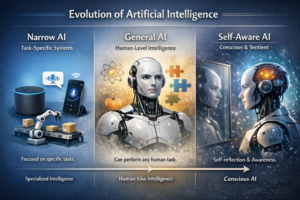
Artificial Intelligence (AI) is one of the fastest-growing types of technology. It allows machines to learn, think, and make decisions.
AI is used in:
- Voice assistants
- Recommendation systems
- Medical diagnosis
- Self-driving cars
Because AI improves efficiency and accuracy, industries are adopting it rapidly.
Machine Learning and Automation
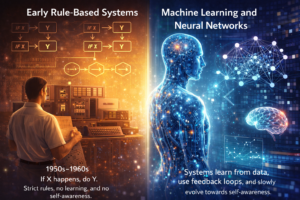
Machine learning teaches computers to learn from data instead of fixed rules. Automation then uses that intelligence to perform tasks without human control.
This combination is reshaping:
- Manufacturing
- Customer service
- Healthcare
- Finance
The future of AI promises smarter, more helpful technology in everyday life.
Biotechnology
Biotechnology combines biology with technology to improve health, food, and the environment.
Major uses include:
- Vaccine development
- Genetic testing
- Disease treatment
- Crop improvement
Biotech innovation saved millions of lives during global health crises and continues to advance medicine.
Medical and Genetic Innovations
Scientists can now edit genes, grow tissues, and create personalized treatments. These breakthroughs may cure previously untreatable diseases in the future.
Energy Technology
Energy technology focuses on producing power efficiently and sustainably. As climate concerns grow, clean energy becomes critical.
Important developments include:
- Solar panels
- Wind turbines
- Battery storage
- Smart power grids
These systems reduce pollution and support long-term sustainability.
Renewable Power Solutions
Renewable energy sources never run out. Countries worldwide are investing heavily in solar, wind, and hydro power to replace fossil fuels.
Transportation Technology
Transportation technology moves people and goods faster and safer than ever before.
Innovations include:
- Electric vehicles (EVs)
- High-speed trains
- Ride-sharing apps
- Autonomous driving systems
These changes reduce travel time and environmental impact.
Electric and Autonomous Vehicles
EVs cut emissions, while self-driving technology aims to reduce accidents. Together, they represent the future of mobility.
Construction Technology
Construction technology improves how buildings and infrastructure are designed and built.
Examples:
- 3D-printed houses
- Smart sensors in buildings
- Eco-friendly materials
These advances lower costs and increase safety.
Smart Buildings and Materials
Modern buildings use automation for lighting, temperature, and security. Sustainable materials also reduce environmental damage.
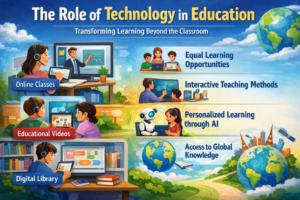
Educational Technology
Educational technology, or EdTech, transforms how people learn.
Common tools:
- Online courses
- Virtual classrooms
- Learning apps
- AI tutors
Students can now access education anytime, anywhere.
Digital Learning Platforms
Platforms like e-learning websites provide flexible, affordable education for millions worldwide.
For more insights, visit https://www.edutopia.org/.
Agricultural Technology
Agricultural technology helps farmers grow more food using fewer resources.
Key tools:
- Drones for crop monitoring
- Smart irrigation systems
- Genetic crop improvement
- Automated machinery
These innovations support global food security.
Smart Farming Systems
Data-driven farming increases yield while reducing water and chemical use, making agriculture more sustainable.
Space Technology
Space technology explores beyond Earth and supports life on our planet.
Uses include:
- GPS navigation
- Weather forecasting
- Satellite communication
- Scientific research
Private companies are also planning missions to the Moon and Mars.
Satellites and Exploration
Satellites connect the world, while exploration expands human knowledge of the universe.
Cybersecurity Technology
As digital systems grow, protecting data becomes essential. Cybersecurity prevents hacking, fraud, and data theft.
Security methods include:
- Encryption
- Firewalls
- Multi-factor authentication
- Threat detection systems
Strong cybersecurity keeps businesses and individuals safe online.
Data Protection Methods
Organizations invest heavily in security tools to protect privacy and maintain trust.
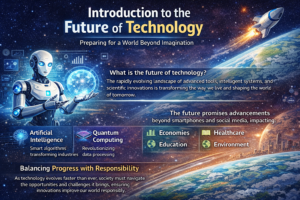
Future Trends in Technology
Looking ahead, several trends will shape the next decade:
- Smarter AI assistants
- Quantum computing breakthroughs
- Fully renewable energy systems
- Human-machine integration
- Expansion into deep space
These innovations could redefine civilization itself.
Frequently Asked Questions
1. What are the main types of technology?
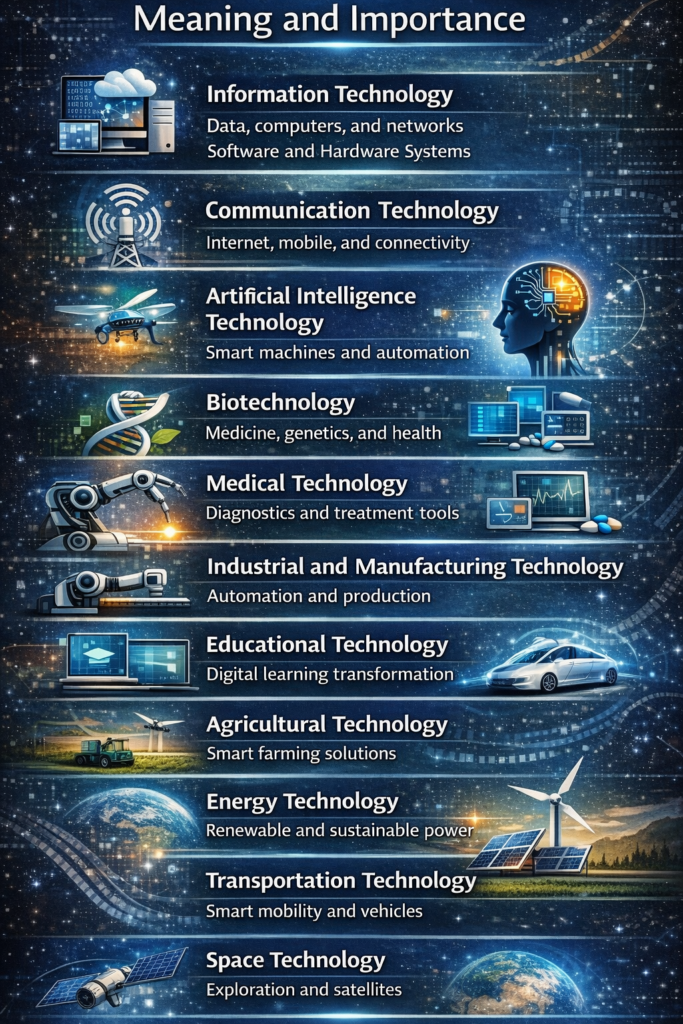
The main categories include information, communication, AI, biotechnology, energy, transportation, construction, education, agriculture, space, and cybersecurity technology.
2. Why are types of technology important?
They improve quality of life, create jobs, and drive global economic growth.
3. Which technology is growing fastest?
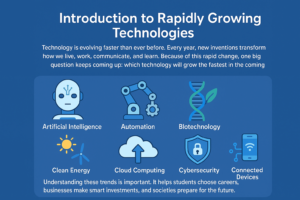
Artificial intelligence and clean energy are currently the fastest-expanding fields.
4. How does technology affect daily life?
It changes how we work, learn, communicate, travel, and receive healthcare.
5. Will technology replace human jobs?
Some jobs will change, but new careers will also emerge.
6. What is the future of technology?
The future includes smarter automation, sustainable energy, and advanced space exploration.
Conclusion
Understanding the different types of technology helps us see how innovation shapes the modern world. From AI and biotechnology to renewable energy and space exploration, technology continues to transform human life.
As progress accelerates, staying informed becomes more important than ever. Those who embrace technology will lead the future—creating smarter, safer, and more sustainable societies for generations to come.