The latest technology trends 2025 are more than just buzzwords—they’re practical tools reshaping how societies function and how businesses grow. From artificial intelligence that feels almost human to sustainable technologies that protect the planet, 2025 marks a turning point. Technology isn’t just supporting progress anymore; it’s driving it.
What’s interesting is how fast things are moving. Innovations that once took decades are now rolling out in months. Because of this speed, staying informed about the latest technology trends 2025 isn’t optional—it’s essential. Whether you’re a student, entrepreneur, or professional, these trends will influence your decisions, career paths, and even daily habits.
This article breaks down complex ideas into simple language, keeping a Grade 7 reading level while still offering expert-level insight. We’ll explore how these technologies work, why they matter, and what opportunities they create. Along the way, we’ll also look at risks, ethical concerns, and real-world examples to ensure a balanced view.
According to global research organizations like the World Economic Forum, emerging technologies are increasingly people-centric and sustainability-focused (https://www.weforum.org). That’s a big shift from the past, and it sets the tone for everything we’ll discuss.
Artificial Intelligence and Automation Revolution
Artificial intelligence sits at the heart of the latest technology trends 2025, and honestly, it’s not slowing down anytime soon. AI has moved beyond simple automation into creative, analytical, and decision-making roles that once required human intelligence.
Generative AI Evolution
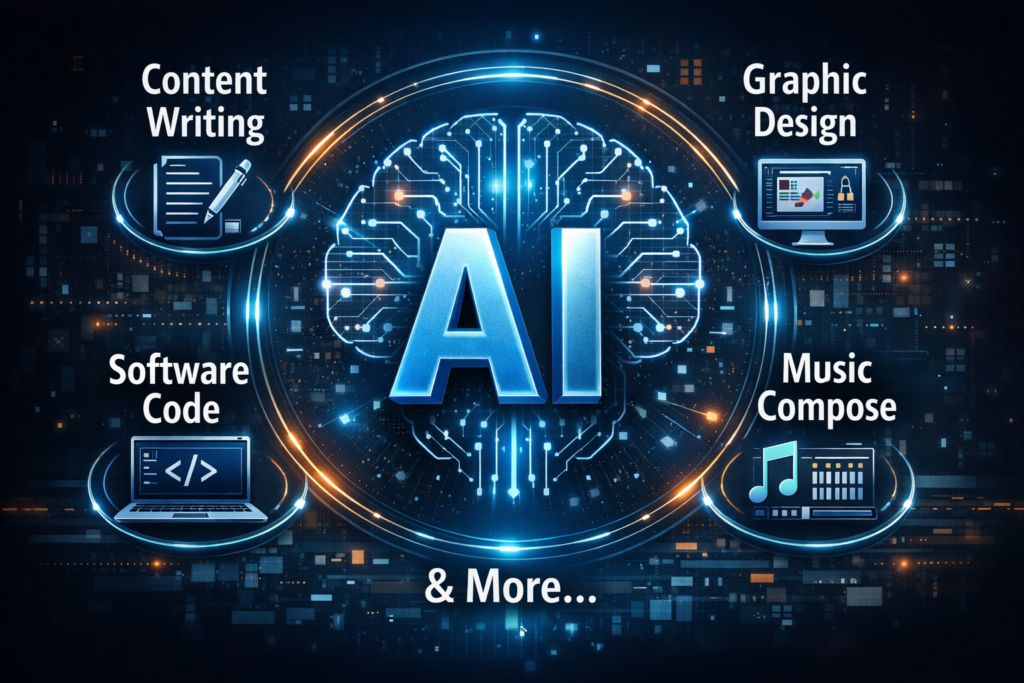
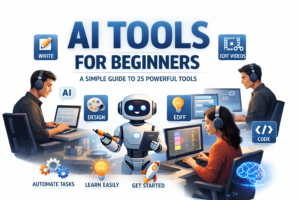
Generative AI is one of the biggest highlights of the latest technology trends 2025. These systems can write content, design graphics, compose music, and even develop software code. What makes 2025 different is accuracy and context awareness. AI tools now understand intent better, reducing errors and producing more reliable outputs.
Businesses are using generative AI to speed up workflows and cut costs. For example:
- Marketing teams generate campaign drafts in minutes
- Developers use AI to debug code faster
- Educators create personalized learning material
However, with great power comes responsibility. Ethical AI use, copyright concerns, and transparency are major discussion points in 2025. Still, when used correctly, generative AI boosts productivity without replacing human creativity—it enhances it.
AI in Everyday Applications
Another reason AI dominates the latest technology trends 2025 is its presence in daily life. Smartphones, smart homes, and even cars rely on AI to function efficiently. Voice assistants now understand natural language better, making interactions smoother and more human-like.
Healthcare is seeing massive benefits too. AI helps doctors analyze medical images, predict diseases earlier, and recommend treatment plans. Meanwhile, in finance, AI detects fraud in real time, keeping users safer.
In short, AI in 2025 isn’t flashy for the sake of it. It’s practical, reliable, and deeply integrated into everyday experiences.
Future of Computing and Connectivity
The latest technology trends 2025 also focus heavily on faster computing and stronger connectivity. As data grows, traditional systems struggle to keep up. That’s where next-gen solutions step in.
Quantum Computing Breakthroughs
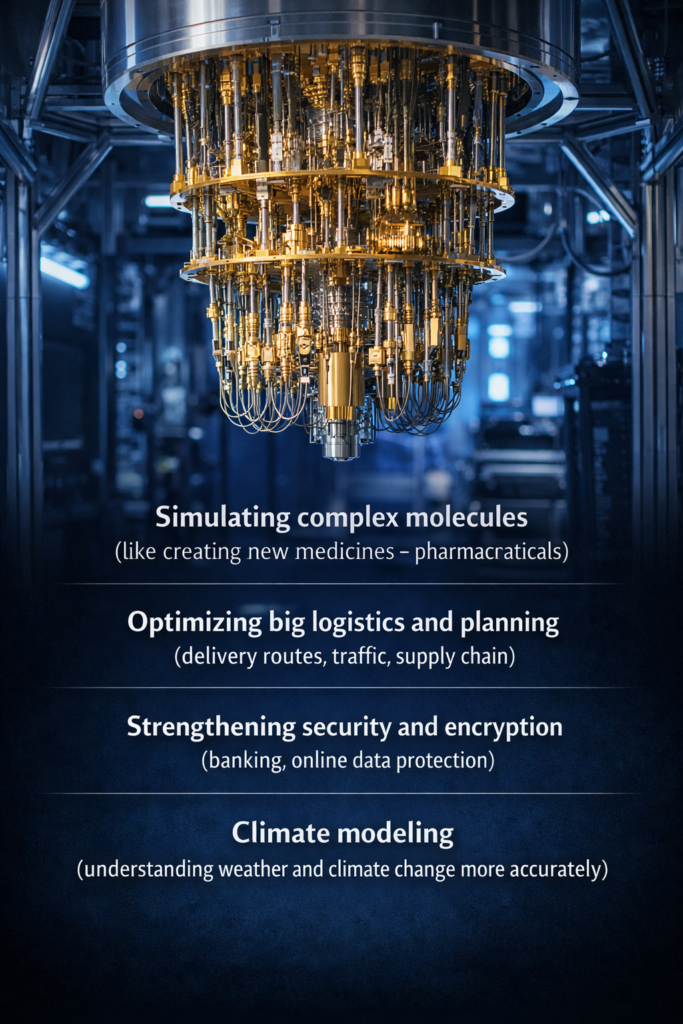
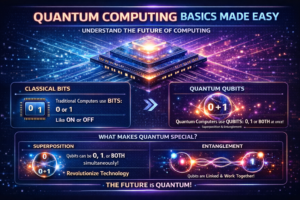
Quantum computing sounds complex, but the idea is simple: solve problems that are impossible for regular computers. In 2025, quantum computing moves closer to real-world use. While still expensive, early adoption is happening in sectors like pharmaceuticals, finance, and climate modeling.
Quantum systems can:
- Simulate complex molecules
- Optimize large-scale logistics
- Improve encryption methods
Although it won’t replace classical computers soon, quantum computing strengthens the foundation of future technologies.
6G and Advanced Networks
Connectivity is another pillar of the latest technology trends 2025. While 5G is still expanding, research into 6G is accelerating. 6G promises ultra-low latency, higher data speeds, and seamless integration between physical and digital worlds.
This advancement supports smart cities, autonomous vehicles, and real-time remote surgeries. In simple terms, better networks mean smarter systems and more reliable digital experiences.
Human-Centric and Sustainable Technologies
Technology in 2025 isn’t just about speed or power. A major shift in the latest technology trends 2025 is toward human-centric and environmentally friendly innovation.
Green Tech and Climate Innovation
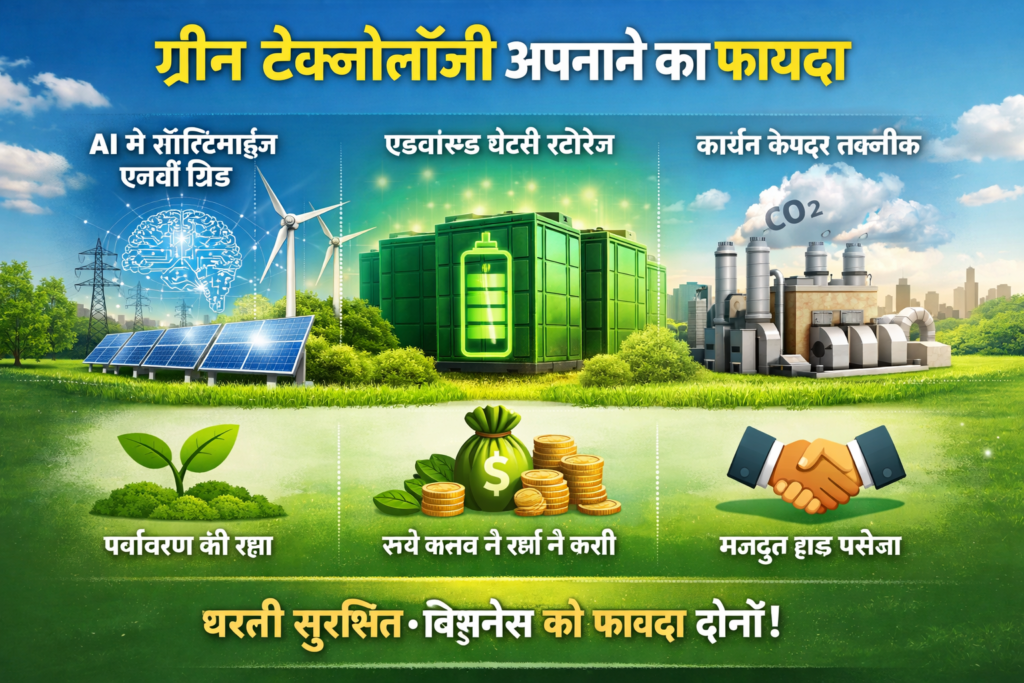
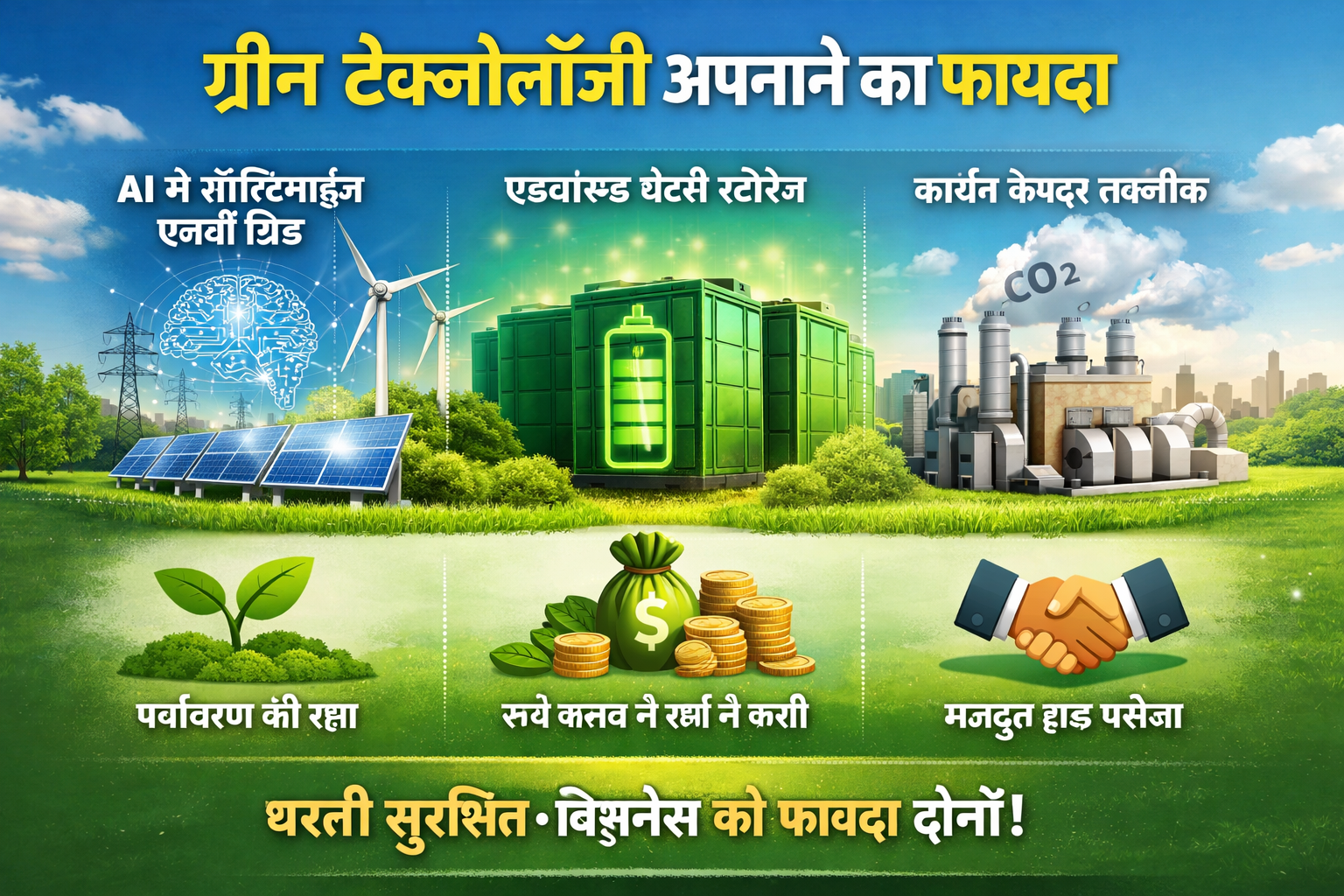
Climate change remains a global challenge, and technology is stepping up. Green tech focuses on reducing carbon footprints while maintaining economic growth. In 2025, renewable energy systems are smarter, cheaper, and more efficient.
Key developments include:
- AI-optimized energy grids
- Advanced battery storage
- Carbon capture technologies
Businesses adopting green tech not only help the planet but also gain long-term cost savings and stronger brand trust.
Extended Reality (XR)
Extended Reality, which includes AR and VR, is another exciting part of the latest technology trends 2025. XR enhances learning, training, and entertainment by blending digital content with the real world.
In education, students explore virtual labs. In retail, customers try products virtually. These immersive experiences improve understanding and engagement without physical limitations.
Cybersecurity and Digital Trust
As technology advances, risks increase too. That’s why cybersecurity is a critical component of the latest technology trends 2025.
Zero Trust Architecture
Zero Trust means “never trust, always verify.” In 2025, organizations assume that threats can come from anywhere. Every user and device must prove identity before accessing data.
This approach reduces data breaches and strengthens digital trust, especially in remote work environments.
AI-Driven Cyber Defense
AI doesn’t just create risks—it also solves them. AI-powered cybersecurity tools detect unusual behavior, stop attacks early, and adapt to new threats. This proactive defense model is becoming standard across industries.